
Big Foot Logistics Careers and Employment Opportunities in South Africa
Explore Big Foot Logistics jobs in South Africa, including warehouse careers, transport opportunities, driver vacancies, logistics requirements, and career growth in the supply chain industry.
The logistics and transport industry continues to play a major role in South Africa’s economy. Every day, thousands of products are moved between warehouses, retail stores, factories, and customers across the country. Because of this growing demand, logistics companies continue to create employment opportunities for people with different qualifications and experience levels. One company name that many job seekers search for online is Big Foot Logistics.
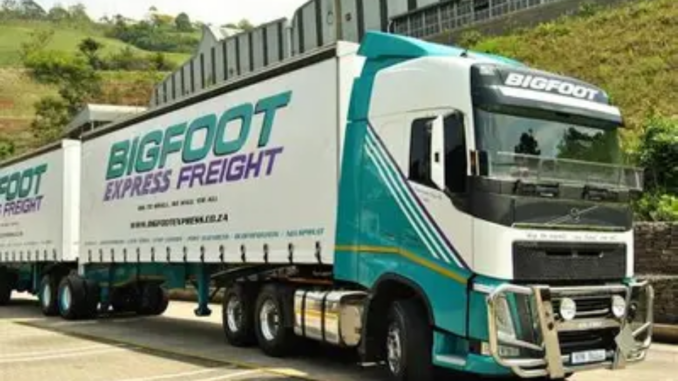
Big Foot Logistics is associated with the transport and logistics sector, which focuses on the safe and efficient movement of goods. Furthermore, logistics companies help businesses maintain supply chains by ensuring that products are delivered on time and in excellent condition. As the economy continues to evolve, the logistics sector remains one of the most important industries for employment growth.
For many South Africans, logistics careers offer stable income opportunities, workplace experience, and long-term career development. Additionally, several logistics positions provide entry-level opportunities for candidates who are willing to work hard and learn new skills. Therefore, the industry attracts school leavers, experienced workers, and individuals looking for career changes.
This article explores Big Foot Logistics jobs in South Africa, including job roles, responsibilities, skills, salary expectations, career growth opportunities, and application tips for candidates interested in the logistics industry.
Understanding the Logistics Industry
The logistics industry involves the planning, transportation, storage, and delivery of goods. In simple terms, logistics companies ensure that products move from suppliers to customers efficiently and safely.
For example, logistics businesses may transport food, electronics, construction materials, furniture, or retail products. Consequently, warehouses, trucks, delivery vehicles, and distribution centres are all important parts of the supply chain process.
Furthermore, logistics operations depend heavily on teamwork, communication, and proper planning. Without effective logistics systems, businesses would struggle to deliver products on time. Therefore, logistics employees perform essential roles in maintaining business operations across many industries.
In addition, South Africa’s logistics industry continues to grow because of increasing demand for e-commerce, retail distribution, and freight transportation. As a result, more companies continue to recruit workers for operational and administrative positions.
Types of Jobs Available at Logistics Companies
Logistics companies such as Big Foot Logistics may offer different employment opportunities depending on operational requirements. These jobs can range from entry-level warehouse positions to supervisory and management roles.
1. General Workers
General workers assist with daily warehouse and operational activities. Typically, they help with loading, unloading, cleaning, sorting, and organizing products within the warehouse environment.
Additionally, general workers may assist drivers, prepare shipments, and support inventory processes. Although these positions are often entry-level, they can provide valuable experience in the logistics industry.
2. Warehouse Assistants
Warehouse assistants focus on maintaining organized stock systems and supporting warehouse operations.
Their responsibilities may include:
- Receiving deliveries
- Packing orders
- Labelling products
- Conducting stock counts
- Organizing storage areas
- Assisting with dispatch operations
Furthermore, warehouse assistants must work carefully because incorrect stock handling can affect customer orders and business efficiency.
3. Drivers
Drivers are among the most important employees in logistics companies. They transport goods safely between warehouses, suppliers, and customers.
In many cases, drivers are responsible for:
- Vehicle inspections
- Delivery scheduling
- Loading and offloading cargo
- Following transport regulations
- Maintaining delivery records
Moreover, experienced drivers with valid licenses are often highly valued within the transport sector.
4. Dispatch Clerks
Dispatch clerks coordinate deliveries and communicate with drivers. They ensure that shipments are processed correctly and delivered according to schedule.
Additionally, dispatch clerks maintain records, monitor routes, and assist with operational planning. Because of this, organizational skills and communication abilities are extremely important.
5. Stock Controllers
Stock controllers manage inventory systems and monitor stock movement within warehouses.
Their duties may include:
- Recording inventory levels
- Conducting stock audits
- Investigating stock discrepancies
- Updating inventory systems
- Preparing stock reports
As logistics operations become more digital, stock controllers increasingly work with computerized systems and reporting software.
6. Logistics Coordinators
Logistics coordinators oversee supply chain activities and operational planning.
Typically, they work with transport teams, warehouse staff, suppliers, and customers to ensure efficient movement of goods. Consequently, this role requires strong leadership and problem-solving skills.
Minimum Requirements for Logistics Jobs
Although requirements vary depending on the position, several qualifications and skills are commonly requested in the logistics industry.
Firstly, many entry-level positions require a Grade 12 or Matric certificate. This qualification demonstrates basic literacy and numeracy skills.
Secondly, previous warehouse or logistics experience can strengthen an application. However, some companies provide training for entry-level candidates.
Thirdly, physical fitness is often important because operational roles may involve lifting heavy items and standing for long periods.
For driver positions, candidates generally require:
- A valid South African driver’s license
- Professional driving permits (where applicable)
- A clean driving record
Furthermore, computer literacy is increasingly important because logistics systems now rely heavily on digital technology.
Important Skills for Success in Logistics
Success in the logistics industry depends on a combination of technical abilities and personal qualities.
Communication Skills
Employees must communicate effectively with supervisors, colleagues, drivers, and customers. Therefore, clear communication helps maintain smooth operations and reduces errors.
Attention to Detail
Accuracy is extremely important in logistics because mistakes can result in delivery delays or stock losses.
Time Management
Logistics operations often involve strict deadlines. Consequently, employees must prioritize tasks and manage time efficiently.
Problem-Solving Skills
Unexpected delays, stock shortages, and operational challenges can occur. Because of this, employees who can solve problems quickly are highly valued.
Teamwork
Logistics operations depend heavily on teamwork. Therefore, employees must cooperate with different departments to achieve operational goals.
Working Conditions in Logistics
The logistics industry is fast-paced and physically demanding. However, it also offers dynamic working environments with opportunities to learn practical skills.
Warehouse employees may work in:
- Distribution centres
- Storage facilities
- Loading bays
- Packaging departments
Drivers and transport staff spend significant time on the road delivering products across different regions.
Additionally, some logistics operations function 24 hours a day. As a result, employees may work shifts, weekends, or overtime depending on operational requirements.
Despite these challenges, many workers enjoy logistics careers because the environment is active and opportunities for advancement are available.
Technology in Modern Logistics
Technology continues to transform the logistics industry.
Today, many logistics companies use:
- Barcode scanners
- Inventory software
- GPS tracking systems
- Electronic delivery systems
- Warehouse management software
Consequently, employees with basic computer skills often have an advantage when applying for logistics positions.
Furthermore, technology improves operational efficiency and helps companies manage deliveries more accurately.
also see TotalEnergies Internship Programme South Africa 2026
1Top Desco Recycling Careers South Africa
General Workers Opportunity Overview 2026
Sesfigile Logistics Careers South Africa
Promising Tshwane General Worker Careers
Salary Expectations in South Africa
Logistics salaries vary depending on experience, qualifications, and job responsibilities.
Entry-level workers generally earn market-related salaries aligned with industry standards. However, employees with specialized skills or driving experience may earn higher wages.
For example:
- General workers and warehouse assistants usually earn entry-level salaries.
- Drivers and dispatch clerks may earn higher salaries because of additional responsibilities.
- Supervisors and coordinators typically receive more competitive salary packages.
Additionally, some companies offer overtime opportunities, allowances, and performance incentives.
Career Growth Opportunities
One of the biggest advantages of working in logistics is the opportunity for career development.
Many employees start in entry-level roles and gradually move into supervisory or management positions.
For example:
- A general worker may become a warehouse assistant.
- A warehouse assistant may progress into stock control.
- A stock controller may eventually become a logistics coordinator or warehouse supervisor.
Furthermore, employees who complete courses in logistics, supply chain management, or transport operations can improve their career prospects significantly.
Because logistics remains an essential industry, experienced professionals continue to be in demand throughout South Africa.
Tips for Applying for Logistics Jobs
Candidates interested in logistics careers should prepare professional job applications.
1. Create a Professional CV
Your CV should include:
- Personal details
- Qualifications
- Work experience
- Skills
- Contactable references
Additionally, ensure that all information is accurate and updated.
2. Highlight Relevant Skills
Employers often look for candidates with:
- Reliability
- Time management
- Communication skills
- Attention to detail
- Teamwork abilities
Therefore, include these skills in your application.
3. Prepare Supporting Documents
Applicants may need:
- Certified ID copies
- Qualification certificates
- Driver’s licenses
- Professional permits
Keeping these documents ready can speed up the application process.
4. Be Prepared for Interviews
During interviews, candidates may be asked about:
- Previous work experience
- Safety awareness
- Availability for shifts
- Teamwork experience
- Problem-solving situations
Consequently, preparing in advance can improve confidence and performance.
Why Many People Choose Logistics Careers
The logistics industry remains attractive for several reasons.
Firstly, the sector provides employment opportunities for people with different educational backgrounds.
Secondly, logistics careers often offer practical workplace experience and skills development.
Thirdly, the industry continues to grow because businesses rely heavily on transportation and distribution services.
Furthermore, logistics roles can lead to long-term career growth and management opportunities.
Because of these advantages, many South Africans continue pursuing careers within the transport and logistics sector.
Conclusion
Big Foot Logistics jobs represent the broader employment opportunities available within South Africa’s growing logistics industry. As businesses continue depending on reliable transportation and efficient supply chain systems, logistics careers remain essential to economic growth and service delivery.
Whether working as a warehouse assistant, driver, stock controller, or logistics coordinator, employees contribute significantly to keeping operations running smoothly. Furthermore, the industry offers valuable experience, career development opportunities, and practical skills that can support long-term employment growth.
For motivated individuals who are willing to work hard, adapt to changing environments, and develop operational skills, logistics careers can provide rewarding opportunities within one of South Africa’s most important industries.
For more jobs
Leave a Reply